






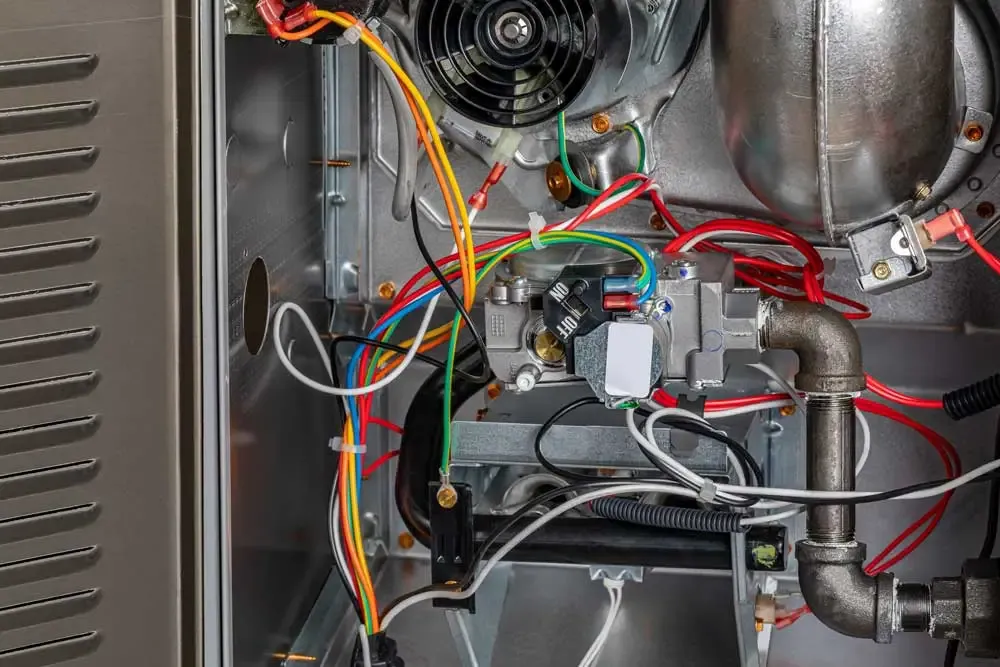
Isn’t it a coincidence that your furnace decides to act up just when the temperatures drop? You might be dealing with issues like it not turning on or providing insufficient heat. These problems often relate to something as simple as a thermostat setting, a clogged air filter, or a more complex mechanical malfunction. Before you call in the professionals, you can take a few troubleshooting steps yourself. Curious about what those might be and how they can restore warmth to your home? Let’s explore some practical solutions to keep your furnace running smoothly.
Furnace Won’t Turn On
If your furnace won’t turn on, check the thermostat settings and verify the power supply is connected. Verify the thermostat is set to ‘heat’ and the temperature is above the current room temperature. Don’t forget to inspect the thermostat batteries; replace them if necessary. Next, confirm the furnace’s power switch is in the ‘on’ position. Sometimes, the switch near the furnace gets turned off accidentally.
Check the circuit breaker panel for any tripped breakers related to the furnace. If you find a tripped breaker, reset it by turning it off and back on. This step can resolve issues with power interruptions. Also, verify the furnace door is securely closed, as many models contain safety switches that prevent operation if the door isn’t properly latched.
Inspect the pilot light or electronic ignition system. Confirm that the pilot light is lit; if not, follow the manufacturer’s instructions to relight it. Examine for error codes and consult the manual. Finally, if these steps don’t resolve the issue, consider contacting a professional technician for further diagnostics. Your actions ensure that others remain warm and comfortable.
Insufficient Heat Output
Once your furnace is running, inadequate heat output often results from clogged filters, obstructed vents, or malfunctioning thermostats that require immediate attention for efficient operation. Begin by examining the air filter. A clogged filter restricts airflow, making it difficult for your furnace to distribute warm air effectively. Replace or clean the filter regularly to enhance performance. Next, inspect the vents and registers throughout your home. Verify they’re open and unobstructed by furniture or drapery to allow ideal air circulation.
Check the thermostat settings. The furnace won’t produce sufficient heat if it’s not calibrated correctly or set too low. Verify that the thermostat is on the correct setting and consider upgrading to a programmable model for improved efficiency. Additionally, inspect the thermostat’s wiring and connections to confirm they are intact.
Another factor could be the blower motor. If it’s not working properly, the warm air won’t circulate as it should. Listen for unusual noises and check for visible wear. If the issue persists, consulting a professional is advisable to guarantee safe and effective repairs, allowing you to continue serving others in a warm and comfortable environment.
Frequent Cycling
Experiencing frequent cycling in your furnace often indicates issues such as an oversized unit, a malfunctioning thermostat, or restricted airflow. When your furnace turns on and off too frequently, it struggles to maintain a consistent temperature, leading to inefficiency and discomfort. To address this, verify if your furnace’s size matches your home’s heating needs. An oversized furnace heats your space too quickly, causing it to cycle off before completing a proper heat distribution. Consult a professional to evaluate your system size.
Next, examine your thermostat. Confirm it’s calibrated correctly and placed away from heat sources like direct sunlight or appliances. A faulty thermostat misreads the room’s temperature, prompting your furnace to cycle unnecessarily. Replace or recalibrate the thermostat if needed.
Lastly, check for restricted airflow. Dirty air filters or obstructed vents can cause your furnace to overheat and shut off prematurely. Inspect and replace filters regularly and confirm vents are unobstructed to maintain ideal airflow. Addressing these issues improves your furnace’s efficiency and enhances your home’s comfort, confirming you serve your household effectively with a reliable heating system.
Noisy Furnace Operation
Your furnace’s noisy operation can stem from loose components, a faulty blower motor, or ductwork problems that disrupt its performance and efficiency. Addressing these noises guarantees your furnace functions smoothly and safely, providing comfort to those you serve. Here’s how you can tackle some common culprits of furnace noise:
- Loose Components: Over time, nuts, bolts, and panels may loosen. Regularly inspect and tighten these parts to prevent rattling and potential damage. This simple maintenance step guarantees the furnace’s longevity and quiets disruptive noises.
- Blower Motor Issues: A faulty blower motor can produce screeching or squealing sounds. Check for worn-out belts or bearings and replace them if necessary. Lubricating the motor may also reduce noise, guaranteeing it operates efficiently.
- Ductwork Problems: Banging or popping noises might indicate expanding and contracting ductwork. Insulate ducts or adjust dampers to reduce noise. This adjustment optimizes airflow, enhancing the furnace’s overall performance.
- Dirty Burners: Burners can become clogged, leading to rumbling sounds. Cleaning the burners guarantees proper ignition and reduces noise. This maintenance task boosts combustion efficiency, providing reliable heat to those you care for.
Blower Runs Continuously
Addressing noise issues is essential, but when the blower runs continuously, it often indicates a thermostat malfunction, relay switch issue, or incorrectly set fan limit switch. First, inspect the thermostat settings. Verify it’s not set to “ON” instead of “AUTO.” The “ON” setting keeps the blower running continuously, whereas “AUTO” allows it to cycle appropriately with the furnace’s heating cycle.
Next, examine the relay switch. This component controls the blower by sending signals from the thermostat. If the relay is stuck in a closed position, it will cause the blower to run without stopping. Testing the relay switch for continuity with a multimeter can determine if it’s functioning properly. If not, replacing it is necessary.
Pilot Light Issues
One common issue with pilot lights is when they won’t stay lit, often due to a faulty thermocouple or a clogged pilot orifice. Addressing these issues promptly is essential to guarantee your furnace operates efficiently, providing warmth for those you serve. Here’s how you can troubleshoot and fix these problems:
- Inspect the Thermocouple: A thermocouple senses the pilot light and signals the gas valve to stay open. If it’s defective or misaligned, the gas supply may be cut off. Check if it’s properly positioned and replace it if necessary.
- Clean the Pilot Orifice: Dirt or debris can clog the pilot orifice, preventing proper gas flow. Turn off the gas and gently use a thin wire to clear any obstructions. Confirm the orifice is free from blockages before relighting the pilot.
- Check the Gas Supply: Verify the gas valve is fully open and the gas supply is uninterrupted. A disruption might cause the pilot light to go out frequently.
- Pilot Flame Adjustment: The pilot flame should be steady and blue. Adjust the pilot flame screw to achieve the correct flame size, making sure it envelops the thermocouple tip for consistent operation.
These steps will help maintain your furnace’s reliability, keeping your space comfortable and safe.
Thermostat Malfunctions
After verifying your pilot light is functioning properly, it’s important to contemplate thermostat malfunctions, which can lead to erratic furnace operation and uneven heating. A malfunctioning thermostat might not communicate correctly with your furnace, causing it to cycle intermittently on and off. First, examine the thermostat’s settings. Verify it’s set to ‘heat’ and the desired temperature is above room temperature. A simple oversight in settings can often be the root cause.
Next, check the batteries to see if your thermostat is battery-operated. Low power can hinder its functionality. Replace them if needed, and confirm whether this resolves the issue. Additionally, verify the thermostat is level and securely mounted, as misalignment can cause incorrect temperature readings.
If the problem persists, inspect the wiring. Loose or damaged wires can disrupt the connection between the thermostat and the furnace. Turn off the thermostat’s power, remove the cover, and gently tighten any loose connections. If the wires appear frayed or corroded, you may need to consult a professional.
Lastly, consider the thermostat’s age. Older models might not perform efficiently, and upgrading to a modern, programmable thermostat could enhance control and energy savings, serving others by verifying comfort and reliability.
Clogged Air Filters
Clogged air filters greatly impede airflow, reducing your furnace’s efficiency and potentially causing it to overheat. When the air filter is obstructed, your furnace must work harder to maintain desired temperatures, increasing energy consumption and wear on the system. Regular maintenance of air filters is essential to guarantee ideal furnace performance and longevity. Here’s how you can address and prevent clogged air filters effectively:
- Inspect the Air Filter Monthly: Make it a habit to check your air filter every month, especially during periods of heavy furnace use. This helps you catch any blockages early.
- Replace Filters Regularly: Depending on the type of filter and your home environment, replace it every 1-3 months. Homes with pets or allergy sufferers may require more frequent changes.
- Invest in High-Quality Filters: Higher MERV-rated filters can trap more pollutants, but verify they’re compatible with your furnace. Balancing filtration effectiveness with airflow is key.
- Educate Household Members: Inform everyone in your home about the importance of clean filters. Encourage participation in the maintenance routine for a healthier living space.
Ignition Problems
Ignition problems in furnaces can result from faulty components like the igniter or flame sensor, leading to inconsistent heating or failure to start. When the igniter malfunctions, it may not generate the necessary spark or heat to ignite the gas, leaving the furnace unable to warm your home. Similarly, a dirty or defective flame sensor can prevent the furnace from detecting the flame, causing it to shut down prematurely as a safety measure.
To address these issues, verify that the igniter is receiving power by checking connections for loose wires. If the igniter is cracked or visibly damaged, replacing it is necessary. Always handle the igniter carefully, as it’s delicate and easily breaks.
If you have a flame sensor issue, turn off the furnace and safely remove the sensor. Gently clean it with fine-grit sandpaper to remove any buildup of soot or debris that may impede its function. Reinstall the sensor and verify that it’s placed correctly. If issues persist, the sensor might require replacement.
Tripped Circuit Breaker
A tripped circuit breaker can disrupt your furnace’s operation by cutting off the electrical power necessary for its components to function. When a circuit breaker trips, it might be due to an overload, short circuit, or ground fault. Addressing this issue promptly guarantees your furnace operates efficiently and safely. Here’s how you can tackle a tripped circuit breaker:
- Inspect the Circuit Breaker Panel: Locate your home’s circuit breaker panel and identify if the breaker for the furnace has switched to the ‘off’ position. Reset it by flipping it fully to ‘off’ and then back to ‘on.’
- Check for Overloads: Confirm other appliances aren’t overloading the circuit. Disconnect any unnecessary devices and try resetting the breaker again.
- Investigate Wiring Issues: Faulty wiring can lead to short circuits. Examine the wiring connecting to your furnace for any visible damage. If you’re not comfortable doing this, contact a licensed electrician.
- Test the Furnace: Once the breaker is reset, turn on the furnace to see if the issue persists. If the breaker trips again, a deeper electrical issue may need professional attention.
Frequently Asked Questions
How Often Should I Schedule Professional Furnace Maintenance?
You should schedule professional furnace maintenance annually. This guarantees efficiency and longevity, minimizing issues affecting your service to others. Regular checks help identify potential problems early, guaranteeing reliable heating for those you serve.
What Are the Signs of a Carbon Monoxide Leak From My Furnace?
If your furnace is a silent assassin, beware! Signs include a sudden headache apocalypse, dizziness whirlwinds, nausea storms, or an unexplained fatigue tsunami. Evacuate immediately and call professionals to save others from invisible danger.
How Can I Improve My Furnace’s Energy Efficiency?
To improve your furnace’s energy efficiency, regularly clean or replace filters, seal ductwork, and schedule professional maintenance. Adjust the thermostat wisely and consider upgrading to a programmable model. These steps guarantee ideal performance, benefiting both you and others.
What Is the Average Lifespan of a Residential Furnace?
Picture your furnace as a workhorse in your home’s comfort stable. Typically, it gallops steadily for 15-20 years. Regular maintenance guarantees it serves efficiently, providing warmth and comfort to those who rely on its steady operation.
How Can I Prevent My Furnace From Rusting?
To prevent your furnace from rusting, guarantee proper ventilation, regularly inspect for leaks, and maintain humidity levels. Schedule annual maintenance, clean ducts, and use corrosion-resistant coatings. Protect your furnace so it can effectively serve others in cold seasons.
Conclusion
To keep your furnace running smoothly, think of maintenance as the heartbeat of your system—regular checks and timely repairs keep problems at bay. Address issues like clogged filters and thermostat glitches swiftly to maintain efficiency and comfort. For complex concerns such as ignition troubles or tripped breakers, don’t hesitate to call a professional. With proper care, your furnace will warm your home reliably, ensuring you’re always snug as a bug in a rug.