






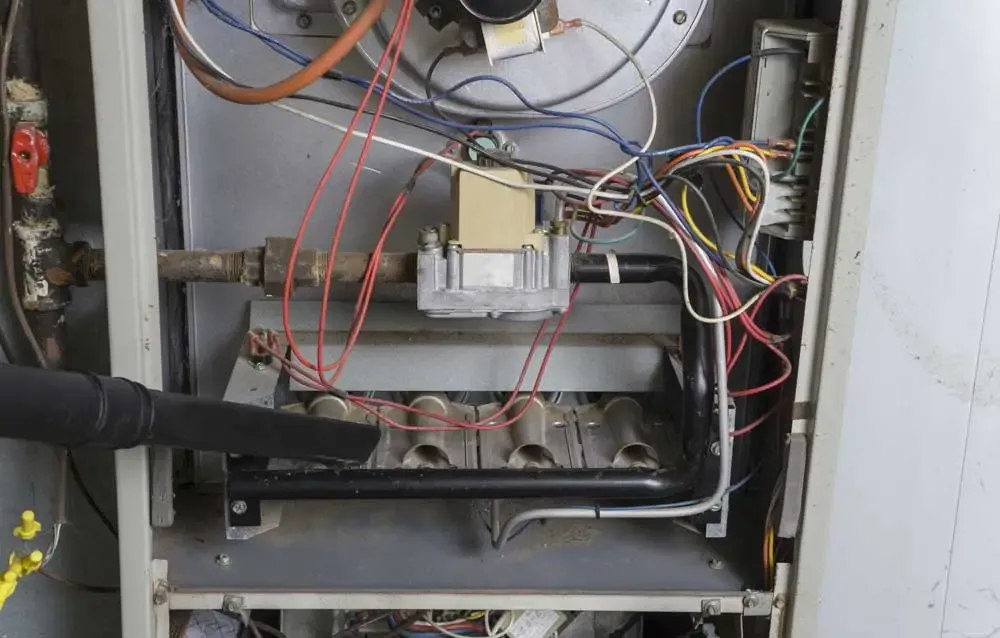
As a homeowner, keeping your furnace in top shape isn’t just about comfort — it’s about safety and efficiency, too. You might already know the basics, like replacing filters and checking the thermostat, but there are more nuanced steps that can prevent unexpected costs and extend your system’s lifespan.
Have you considered how essential regular inspections and proper lubrication of moving parts are? Or the impact of sealing air leaks on energy consumption? These practices might seem minor, yet they hold the key to a smoothly running furnace.
Curious to learn more about optimizing your heating system’s performance?
Schedule Regular Inspections
One essential step in maintaining your furnace is to schedule regular inspections by a qualified HVAC technician to ensure peak performance and safety. By doing so, you reduce the risk of unexpected breakdowns and costly repairs.
A professional technician will examine critical components such as:
- Heat exchanger
- Blower motor
- Ignition system
They will also check for gas leaks, carbon monoxide emissions, and other potential hazards to ensure your home remains safe.
During inspections, technicians will:
- Calibrate the thermostat
- Inspect electrical connections
- Lubricate moving parts
- Verify airflow and energy consumption
Regular inspections improve reliability, conserve energy, and support a safer home environment.
Clean or Replace Filters
After scheduling inspections, focus on cleaning or replacing furnace filters to maintain proper airflow and prevent dust buildup.
Filters protect furnace components and improve efficiency. Locate the filter near the air intake or blower compartment.
Filter maintenance tips:
- Clean reusable filters with a soft brush or vacuum
- Replace disposable filters with the correct size and type
- Follow manufacturer guidelines (monthly or every 3 months)
When choosing a replacement filter, check the MERV rating. Higher ratings improve filtration but must be compatible with your furnace to avoid airflow restriction.
Check Thermostat Settings
Ensure your thermostat is properly set and calibrated for ideal furnace performance.
Steps to follow:
- Confirm the thermostat is set to heat mode
- Check that the time and date are correct
- Program lower temperatures during sleep or when away
Placement matters
Avoid placing thermostats near:
- Direct sunlight
- Drafts
- Windows or doors
- Heat-producing appliances
Proper placement prevents false readings and inefficient furnace operation.
Inspect Burner Flames
Healthy burner flames should be steady and blue, indicating proper combustion.
Yellow or flickering flames may signal incomplete combustion and carbon monoxide risks.
Burner inspection checklist:
- Color – Flame should be solid blue
- Stability – Flames should not flicker
- Sound – Burning should be quiet and steady
If you notice irregularities, consult a professional technician immediately.
Lubricate Moving Parts
Lubricating moving parts reduces friction, prevents wear, and extends furnace lifespan.
How to lubricate safely:
- Turn off power before starting
- Identify parts like the blower motor, fan, and bearings
- Use the manufacturer-recommended lubricant
- Apply sparingly to avoid dust buildup
After lubricating, manually rotate parts to distribute oil evenly and listen for abnormal sounds once powered on.
Examine Heat Exchanger
The heat exchanger transfers heat safely into your home. Cracks or corrosion can cause carbon monoxide leaks.
Inspection steps:
- Turn off power and gas supply
- Remove panels for access
- Use a flashlight to check for cracks, holes, or rust
- Perform a smoke test to detect leaks
Routine inspection ensures safety and efficiency.
Test Carbon Monoxide Detectors
Carbon monoxide detectors are essential for household safety.
Best practices:
- Install detectors near sleeping areas and on every level of your home
- Test monthly using the test button
- Replace batteries immediately if alarms are weak
- Replace units every 5–7 years
Ensure everyone in your household recognizes the alarm sound and knows emergency procedures.
Clear Vents and Ducts
Clean vents and ducts are vital for airflow and system efficiency.
Maintenance checklist:
- Vacuum vents to remove dust and debris
- Inspect ducts for blockages
- Seal leaks with duct tape or mastic sealant
This improves airflow, reduces energy loss, and lowers heating costs.
Monitor Pilot Light
Your pilot light should burn steadily with a strong blue flame.
If it flickers or turns yellow:
- Check for drafts
- Clean the pilot orifice
- Inspect the thermocouple
A faulty pilot light can cause inefficiency or safety hazards.
Seal Air Leaks
Air leaks around windows, doors, and ductwork force your furnace to work harder.
Seal leaks by:
- Caulking window and door gaps
- Weatherstripping doors
- Sealing ducts with metal-backed tape or mastic
Use smoke or incense to detect drafts.
Conclusion
Think of your furnace as the heart of your home, pumping warmth just as your heart circulates blood. Regular maintenance keeps it running efficiently and prevents costly emergencies.
By scheduling inspections, replacing filters, lubricating parts, and sealing leaks, you protect your home’s comfort and financial health.
Don’t wait for a breakdown — care for your furnace now for steady warmth and peace of mind.
Frequently Asked Questions
How Can I Tell if My Furnace Is Too Old and Needs Replacement?
If your furnace is over 15 years old, shows frequent breakdowns, rising energy bills, or uneven heating, it may be time to replace it.
What Are Signs That My Furnace Is Not Energy Efficient?
Signs include higher energy bills, frequent cycling, uneven heating, excessive noise, or a yellow burner flame.
How Can I Reduce Noise Coming from My Furnace?
Tighten loose parts, lubricate moving components, replace worn pieces, and ensure proper insulation.
What Should I Do if My Furnace Keeps Cycling On and Off?
Check the thermostat, replace the air filter, and inspect vents. If the problem continues, consult a professional to inspect internal controls.
How Often Should I Clean the Area Around My Furnace?
Clean the surrounding area monthly to prevent airflow blockages and maintain safe, efficient operation.